

Exploring the Colour Wheel: Which Hues Complement Green in Graphic Design?
The colour wheel is a fundamental tool in graphic design, as it helps designers understand how colours interact and work together. One important aspect of the colour wheel is the concept of complementary colours. Complementary colours are pairs of colours that are opposite each other on the colour wheel. Understanding complementary colours is crucial in design because they create contrast and balance, making designs visually appealing and engaging.
Key Takeaways
- The colour wheel is an important tool in graphic design for creating effective colour combinations.
- Complementary colours are pairs of colours that create contrast and balance in design.
- Green is a versatile colour in graphic design that can convey a range of emotions and moods.
- Different hues of green have unique characteristics that can be used to create specific design effects.
- Identifying complementary colours for green on the colour wheel can help designers create effective colour schemes.
Understanding Complementary Colours in Design
Complementary colours are pairs of colours that are opposite each other on the colour wheel. When used together in design, they create a strong contrast that catches the viewer’s attention. This contrast is achieved because complementary colours have different wavelengths, which makes them visually striking when placed side by side.
For example, the complementary colours of red and green create a vibrant and energetic contrast. The red grabs the viewer’s attention, while the green provides a calming effect. This combination can be used effectively in various design projects, such as advertisements or packaging, to create a visually appealing and engaging composition.
The Role of Green in Graphic Design
Green is a versatile colour that holds significant meaning in design. It is often associated with nature, growth, and freshness. Green can evoke feelings of tranquility, harmony, and balance. It is also commonly used to represent environmental causes and sustainability.
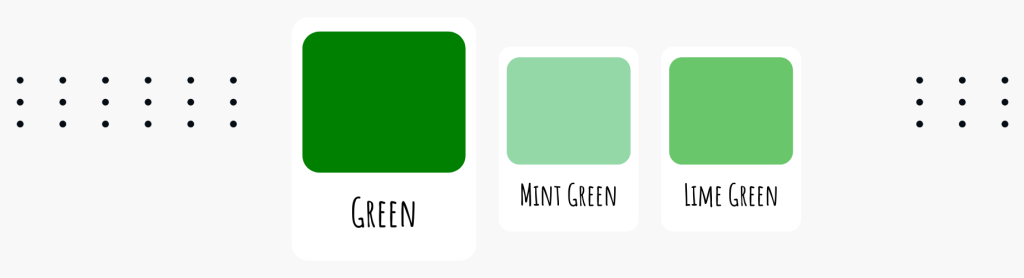
In graphic design, green can be used to convey different emotions and messages depending on its shade or hue. Lighter shades of green, such as mint or lime green, can create a sense of freshness and youthfulness. Darker shades of green, like forest or olive green, can evoke feelings of stability and reliability.

Exploring the Different Hues of Green and their Characteristics
Green comes in various shades and hues, each with its own characteristics and emotions associated with it. Here are some examples:
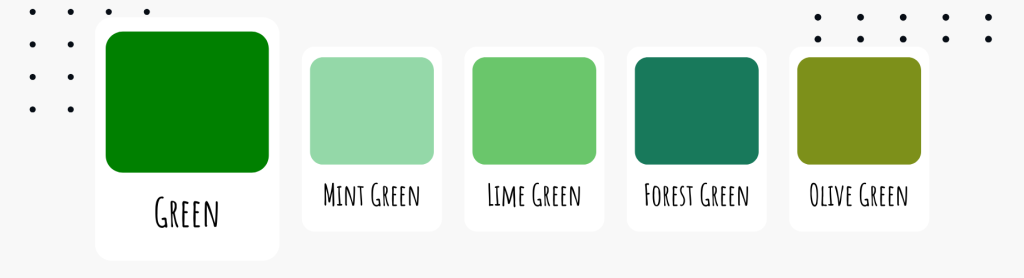
– Mint Green: This light shade of green is often associated with freshness and youthfulness. It can be used to create a calming and soothing effect in design.
– Lime Green: This vibrant shade of green is energetic and eye-catching. It can be used to create a sense of excitement and playfulness in design.
– Forest Green: This dark shade of green is often associated with stability and reliability. It can be used to create a sense of trust and dependability in design.
– Olive Green: This earthy shade of green is often associated with nature and sustainability. It can be used to convey a sense of environmental consciousness in design.
Identifying Complementary Colours for Green on the Colour Wheel
To identify complementary colours for green on the colour wheel, you simply need to look for the colour directly opposite green. In this case, the complementary colour for green is red. However, it’s important to note that there are different shades of green, and the complementary colour may vary depending on the specific shade being used.


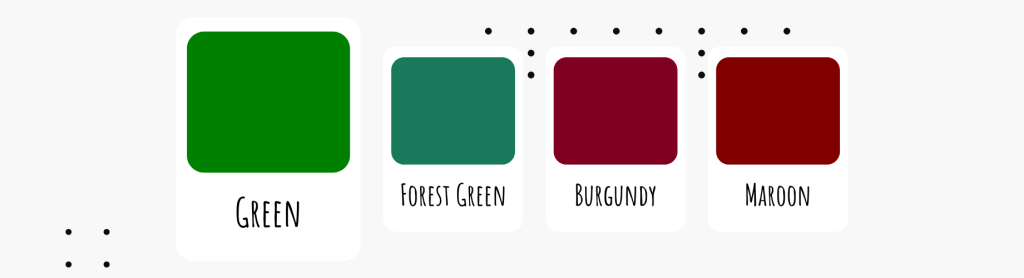
For example, if you are using a lighter shade of green, such as mint green, the complementary colour would be a lighter shade of red, such as coral or pink. On the other hand, if you are using a darker shade of green, such as forest green, the complementary colour would be a darker shade of red, such as burgundy or maroon.

How Complementary Colours Create Contrast and Balance in Design
Complementary colours create contrast and balance in design by providing a visual break from each other. When placed side by side, complementary colours intensify each other, making them appear more vibrant and dynamic. This contrast creates visual interest and grabs the viewer’s attention.
In addition to creating contrast, complementary colours also provide balance in design. Because they are opposite each other on the colour wheel, they have an equal visual weight. This balance helps create a harmonious composition that is visually pleasing to the viewer.
Examples of Effective Design Combinations with Green and Complementary Colours
There are numerous examples of effective design combinations using green and complementary colours. Here are a few:
– Mint Green and Coral: This combination creates a fresh and youthful look. The mint green provides a calming effect, while the coral adds a pop of energy and excitement.

– Lime Green and Purple: This combination is vibrant and eye-catching. The lime green grabs the viewer’s attention, while the purple adds depth and richness to the design.

– Forest Green and Burgundy: This combination is classic and sophisticated. The forest green provides stability and reliability, while the burgundy adds a touch of elegance.

Tips for Using Green and Complementary Colours in Graphic Design
When using green and complementary colours in graphic design, it’s important to keep a few tips in mind:
1. Use complementary colours sparingly: While complementary colours create contrast and balance, using them too much can be overwhelming. Use them strategically to highlight specific elements or create focal points in your design.
2. Consider the emotions you want to evoke: Different shades of green and complementary colours can evoke different emotions. Consider the message you want to convey and choose colours that align with that message.
3. Test your colour combinations: Before finalising your design, test your colour combinations to ensure they work well together. Look for harmony and balance in your composition.
The Psychological Impact of Green and Complementary Colours on Design
Green and complementary colours have a psychological impact on design, as they can affect emotions and behaviour. Green is often associated with nature, which can create a sense of calmness and relaxation. Complementary colours, on the other hand, create contrast and grab attention, which can evoke feelings of excitement or energy.
By understanding the psychological impact of these colours, designers can use them strategically to elicit specific emotions or behaviours from their audience. For example, using green in a healthcare design can create a sense of calmness and trust, while using complementary colours in an advertisement can grab attention and create a sense of urgency.
The Power of Complementary Colours in Enhancing Design Aesthetics
In conclusion, complementary colours play a crucial role in graphic design by creating contrast and balance. Understanding how to use complementary colours effectively can enhance the aesthetics of a design and make it visually appealing and engaging. Green, in particular, is a versatile colour that can convey different emotions and messages depending on its shade or hue. By combining green with its complementary colours, designers can create powerful and impactful designs that resonate with their audience. So next time you’re working on a design project, don’t forget to consider the power of complementary colours.
If you’re wondering which colour goes best with green in graphic design, you might also be interested in learning about the benefits of web design services. Web design plays a crucial role in creating visually appealing and user-friendly websites. It involves various elements, including colour schemes, typography, and layout. To understand how to effectively combine green with other colours in your designs, it’s essential to have a solid understanding of web design principles. Check out this informative article on the benefits of web design services by Sanders Design to gain valuable insights and enhance your graphic design skills.


Author: Martin Sanders
I empower businesses to connect with their customers and boost sales. Ready to take your revenue to new heights? Get in touch with me today, and let’s make it happen!