

Revolutionising Web Design in Coalville: Elevating Your Online Presence

A well-designed website is essential for businesses of every size. Think of it as your company’s online face, shaping your credibility, boosting customer engagement, and driving sales.
With consumers increasingly heading online to explore products and services, a slick, user-friendly website can make all the difference. On the flip side, a poorly designed site might just send potential customers packing and tarnish your reputation. Make sure your website stands out and leaves a lasting impression!
A well-designed website not only looks visually appealing but also provides a seamless user experience. It should be easy to navigate, load quickly, and be optimised for mobile devices. A website that is visually appealing and user-friendly can help build trust with customers and encourage them to stay on the site longer, increasing the chances of conversion.
The Role of WordPress in Revolutionising Web Design
WordPress has revolutionised web design by making it more accessible and user-friendly for businesses and individuals alike. It is an open-source content management system that allows users to easily create and manage websites without the need for coding knowledge. With its intuitive interface and vast library of themes and plugins, WordPress has democratized web design, allowing anyone to create a professional-looking website.
One of the key benefits of using WordPress for website development is its flexibility and scalability. Whether you are a small business owner looking to create a simple informational website or an e-commerce entrepreneur looking to build a robust online store, WordPress can accommodate your needs. Its extensive library of themes and plugins allows for easy customisation and integration with other tools and platforms.

The Benefits of Using WooCommerce for Your E-Commerce Website
For businesses looking to sell products or services online, WooCommerce is a popular e-commerce plugin for WordPress that offers numerous benefits. WooCommerce seamlessly integrates with WordPress, allowing users to turn their website into a fully functional online store.
One of the main advantages of using WooCommerce is its ease of use. It provides a user-friendly interface that makes it easy to set up and manage an online store. Users can easily add products, set up payment gateways, and manage inventory all within the WordPress dashboard.
Another benefit of using WooCommerce is its customisation options. Users can choose from a wide range of themes and plugins specifically designed for e-commerce, allowing them to create a unique and visually appealing online store. WooCommerce also offers various extensions that enhance the functionality of the store, such as shipping calculators, product reviews, and social media integration.
How to Elevate Your Online Presence Through Effective Branding
Branding plays a crucial role in web design as it helps businesses establish a strong identity and differentiate themselves from competitors. A well-designed website should reflect the brand’s values, personality, and target audience.
One of the key elements of branding in web design is colour. Colours evoke emotions and can help create a specific mood or atmosphere on a website. It is important to choose colours that align with the brand’s identity and resonate with the target audience. For example, a website selling children’s toys may use bright and playful colours, while a financial institution may opt for more professional and muted tones.
Typography is another important aspect of branding in web design. The choice of fonts can greatly impact the overall look and feel of a website. It is important to choose fonts that are legible and reflect the brand’s personality. For example, a luxury brand may opt for elegant and sophisticated fonts, while a tech startup may choose modern and sleek fonts.
Imagery also plays a crucial role in branding. The use of high-quality images that align with the brand’s identity can help create a strong visual impact on visitors. It is important to choose images that are relevant to the brand and evoke the desired emotions or associations.
The Importance of Responsive Design for Mobile Users
With the increasing use of mobile devices for browsing the internet, having a responsive website design has become essential. Responsive design ensures that a website adapts to different screen sizes and resolutions, providing an optimal viewing experience for users on any device.
A responsive website design is important for several reasons. Firstly, it improves user experience by making the website easy to navigate and read on mobile devices. Users can easily access the information they need without having to zoom in or scroll horizontally.
Secondly, responsive design is crucial for search engine optimisation (SEO). Search engines like Google prioritise mobile-friendly websites in their search results, meaning that a responsive website is more likely to rank higher in search engine results pages (SERPs). This can greatly impact a website’s visibility and organic traffic.
Lastly, a responsive website design can help increase conversion rates. Studies have shown that users are more likely to stay on a website and make a purchase if it is mobile-friendly. A seamless user experience across devices can help build trust with customers and encourage them to take action.
The Role of User Experience in Web Design
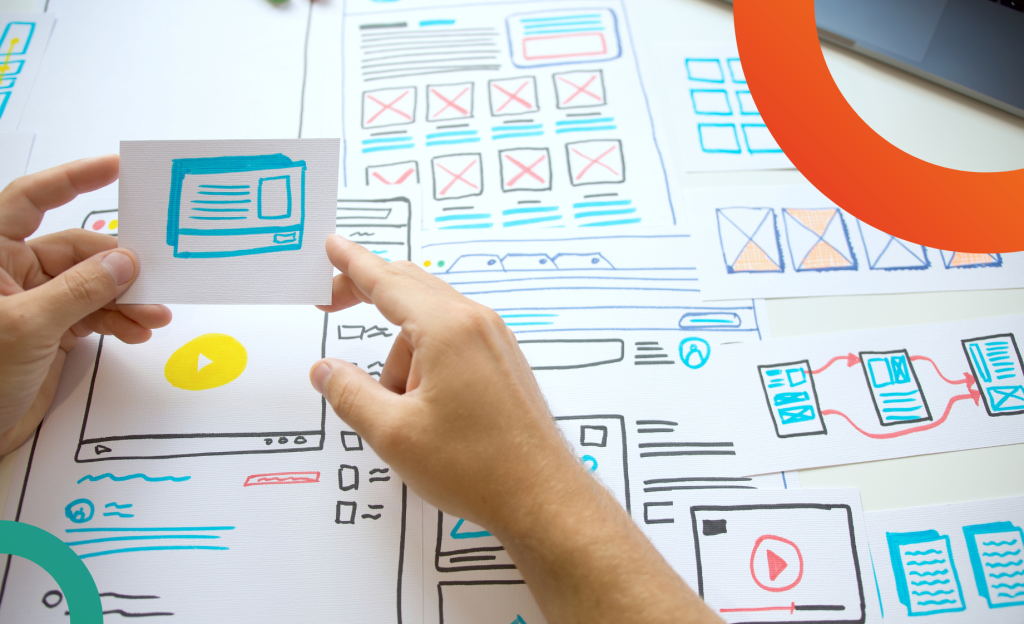
User experience (UX) refers to the overall experience a user has when interacting with a website or application. It encompasses various aspects such as ease of use, accessibility, and satisfaction. UX plays a crucial role in web design as it can greatly impact a website’s success.
A positive user experience can lead to increased user engagement, longer time spent on the site, and higher conversion rates. On the other hand, a poor user experience can result in high bounce rates and low customer satisfaction.
To improve UX, it is important to focus on both the design and functionality of a website. The design should be visually appealing and intuitive, with clear navigation and well-organised content. The functionality should be seamless, with fast loading times and minimal errors or bugs.
It is also important to consider the target audience when designing a website. Understanding their needs, preferences, and behaviours can help create a user-centered design that meets their expectations. Conducting user research, such as surveys or usability testing, can provide valuable insights into how users interact with a website and identify areas for improvement.
The Impact of Visuals on Your Website’s Success
Visuals play a crucial role in web design as they can greatly impact a website’s user engagement and overall success. Images, videos, and graphics can help convey information, evoke emotions, and create a memorable experience for users.
High-quality images that are relevant to the content can help capture the attention of visitors and make a website more visually appealing. Images can also help tell a story or showcase products or services in action. It is important to choose images that are visually appealing, high-resolution, and optimised for web use to ensure fast loading times.
Videos are another powerful visual tool that can enhance user engagement. They can be used to demonstrate products or services, provide tutorials or testimonials, or simply entertain and inform users. Videos should be high-quality, well-edited, and optimised for web use to ensure fast loading times.
Graphics such as icons, infographics, and illustrations can also enhance the visual appeal of a website. They can help break up text-heavy content, convey complex information in a visually appealing way, and create a cohesive design aesthetic. It is important to choose graphics that align with the brand’s identity and are consistent with the overall design of the website.
The Importance of Search Engine Optimisation (SEO) in Web Design
Search engine optimisation (SEO) is the practice of optimising a website to improve its visibility in search engine results pages (SERPs). SEO plays a crucial role in web design as it can greatly impact a website’s organic traffic and overall success.
There are several website design elements that can impact SEO. Firstly, site structure and navigation should be clear and intuitive to ensure that search engines can crawl and index the website easily. This includes using descriptive URLs, creating an XML sitemap, and organising content into logical categories.
Secondly, content is a key component of SEO. It is important to create high-quality, relevant, and unique content that provides value to users. This includes using keywords strategically, optimising meta tags and headings, and incorporating internal and external links.
Lastly, metadata plays a crucial role in SEO. Metadata includes the title tag, meta description, and alt tags for images. These elements provide information to search engines about the content of a webpage and can greatly impact its visibility in search results.
To optimise a website for search engines, it is important to stay up-to-date with the latest SEO best practices and algorithm updates. This includes conducting keyword research, monitoring website analytics, and regularly auditing and optimising website content.
How to Create a User-Friendly Website Navigation
Website navigation is a crucial aspect of user experience as it helps users find the information they need quickly and easily. A user-friendly website navigation can greatly enhance the overall usability of a website and improve user engagement.
To create a user-friendly website navigation, it is important to focus on clear labeling and organisation. Navigation menus should be easy to understand and use, with descriptive labels that accurately represent the content they link to. It is also important to keep the number of menu items to a minimum to avoid overwhelming users.
Organising content into logical categories can also help improve website navigation. This includes creating submenus or dropdown menus for related content and using breadcrumbs to show users their current location within the website. It is also important to include a search bar that allows users to quickly find specific information.
Testing website navigation through usability testing or user feedback can provide valuable insights into how users interact with a website and identify areas for improvement. Regularly monitoring website analytics can also help identify navigation issues such as high bounce rates or low time spent on certain pages.
The Future of Web Design: Trends to Watch Out For
Web design is constantly evolving, and it is important for businesses to stay up-to-date with the latest trends to remain competitive. Some emerging web design trends to watch out for include voice search optimisation and artificial intelligence.
Voice search optimisation is becoming increasingly important as more and more users are using voice assistants such as Siri or Alexa to search the internet. Websites that are optimised for voice search can greatly improve their visibility in search engine results and provide a seamless user experience for voice search users.

Artificial intelligence (AI) is also playing a growing role in web design. AI-powered chatbots, for example, can provide instant customer support and enhance user engagement. AI can also be used to personalise website content based on user preferences and behaviour, providing a more tailored and relevant experience.
To stay up-to-date with web design trends, it is important to regularly research and follow industry blogs, attend conferences or webinars, and network with other professionals in the field. It is also important to experiment and test new design techniques or technologies to see how they can be applied to your specific business needs.
In today’s digital landscape, effective web design is crucial for businesses of all sizes. A well-designed website can greatly impact a business’s credibility, customer engagement, and sales. WordPress has revolutionised web design by making it more accessible and user-friendly, while WooCommerce offers numerous benefits for e-commerce websites.
Effective branding, responsive design, user experience, visuals, SEO, website navigation, and staying up-to-date with web design trends are all key aspects of creating a successful website. By focusing on these areas and continuously improving and optimising their websites, businesses can elevate their online presence and stay ahead of the competition.
If you’re interested in learning more about web design in Coalville, you might also find our article on web design in Lostwithiel to be informative. In this article, we explore the key elements of effective web design and how they can be applied to create visually appealing and user-friendly websites. Whether you’re a beginner or an experienced designer, this article offers valuable insights and tips to enhance your web design skills. Check it out here.


Author: Martin Sanders
I empower businesses to connect with their customers and boost sales. Ready to take your revenue to new heights? Get in touch with me today, and let’s make it happen!