

Why Tone of Voice Consistency is Essential for Brand Cohesion

When it comes to building a memorable and trustworthy brand, the words you use are just as important as your logo, colours, and imagery. Your tone of voice-the way you communicate with your audience-plays a significant role in shaping how people perceive your business.
A consistent tone of voice helps create a cohesive brand experience, fosters stronger customer engagement, and builds long-term loyalty. In this post, we’ll explore why maintaining the same tone of voice is vital, how to ensure consistency across platforms, and common mistakes businesses make when their tone wavers. Let’s dive in!
What Tone of Voice Is and How It Defines Your Brand
Your brand’s tone of voice is the personality and attitude conveyed through the words and style you use when communicating with your audience. Whether you’re writing website copy, social media posts, or emails, your tone of voice should remain consistent to ensure your messaging resonates in a clear and authentic way.
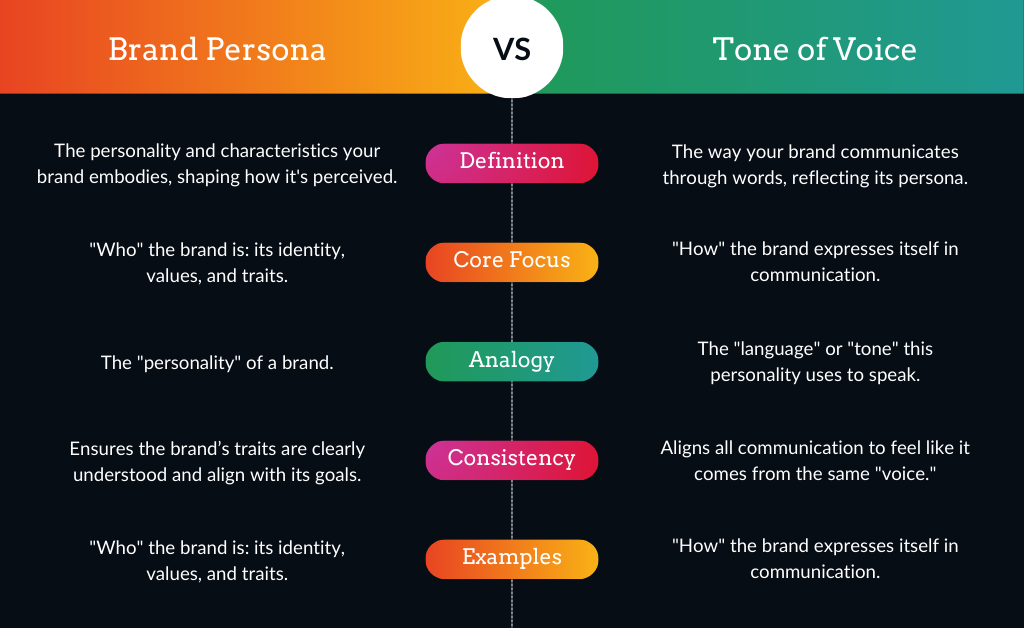
Here’s why tone of voice is so important in defining your brand:
- Reflects Your Brand Personality: Just like people, brands have personalities. Your tone of voice is the verbal representation of your brand’s character. Is your brand professional and formal? Fun and quirky? Friendly and approachable? A consistent tone of voice allows your brand to express these traits clearly, helping your audience connect with who you are.
- Builds Trust and Authenticity: A consistent tone of voice makes your brand feel dependable and trustworthy. Customers are more likely to engage with and trust a brand that communicates in the same way across all platforms, as it feels more authentic and familiar. In contrast, if your tone changes dramatically depending on the platform or the content, it can confuse your audience and undermine your credibility.
- Creates Emotional Connections: Words have the power to evoke emotions. By using the same tone of voice consistently, you reinforce the emotions you want your audience to associate with your brand. Whether you want to inspire, comfort, or motivate, a well-defined tone can create a stronger emotional connection with your audience, which is key to building brand loyalty.
How to Keep Your Tone Consistent Across Platforms
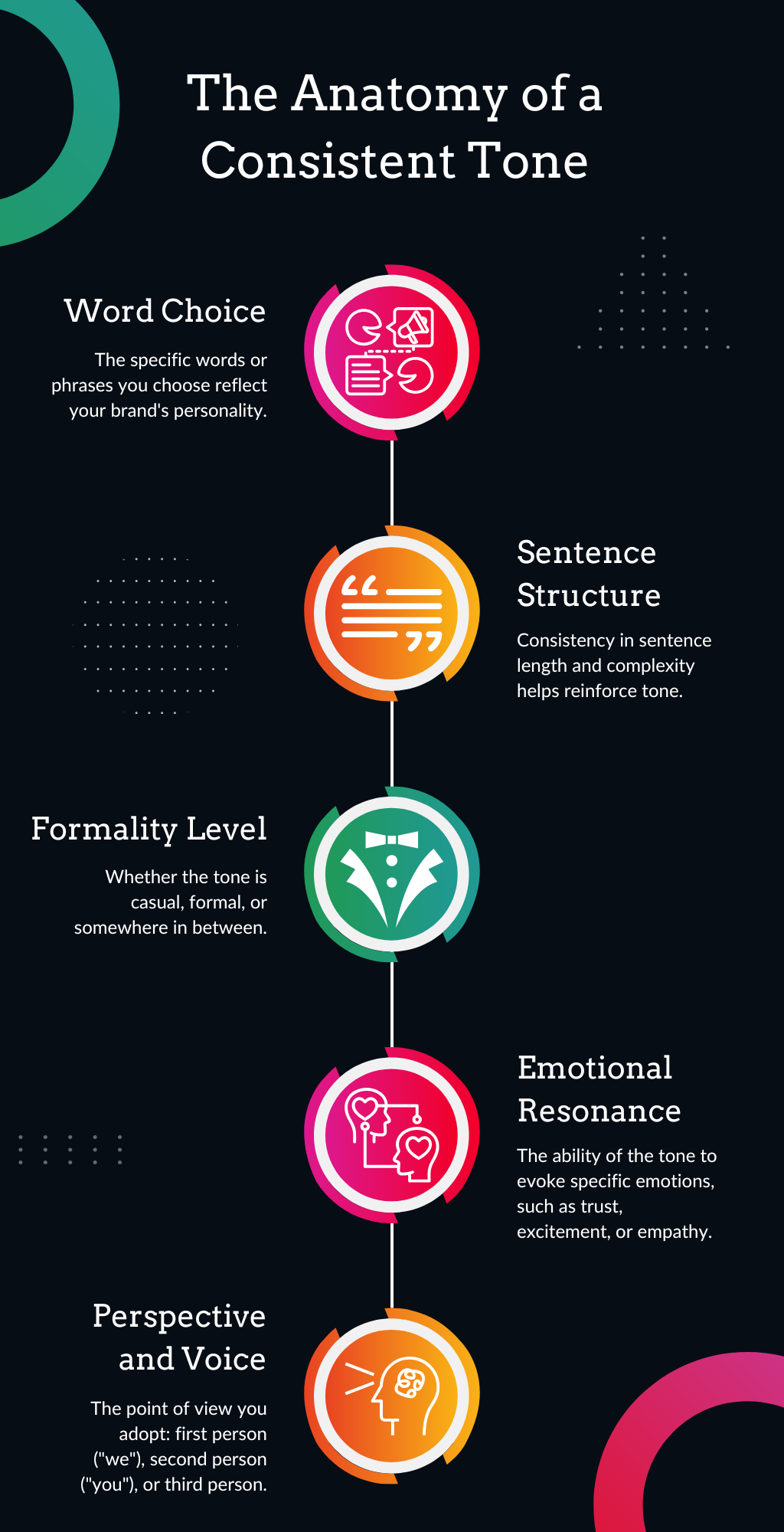
Ensuring that your tone of voice stays consistent across all touchpoints can be challenging, especially if different people or teams are handling your brand’s communications. However, by taking a few key steps, you can ensure your messaging stays aligned and cohesive.
1. Develop a Tone of Voice Guide
Just like your brand’s visual elements, your tone of voice needs a guide to ensure consistency. A tone of voice guide outlines the specific characteristics of your brand’s communication style and provides examples of how to apply them. Here’s what to include in your guide:
- Core Tone Traits: Define the main traits of your tone. For example, your tone might be “friendly,” “informative,” and “casual.” Clearly define what each of these traits means for your brand and how they should come across in your messaging.
- Do’s and Don’ts: Provide examples of what your tone sounds like in practice. For instance, if your brand is casual, you might encourage using contractions like “you’re” instead of “you are,” or first-person language like “we” and “you.” Include phrases or words that align with your tone and flag those that don’t.
- Adaptation for Different Platforms: While your core tone should remain the same, certain platforms might require slight adjustments. For instance, social media might allow for more casual, bite-sized content, while emails may require a more structured approach. Your guide should provide tips for adapting your tone without losing consistency.
2. Train Your Team
Once you’ve developed your tone of voice guide, ensure that everyone who writes for your brand is familiar with it. This includes internal team members, freelancers, or agencies. Hosting training sessions or workshops on your brand’s tone can help everyone stay aligned. Provide feedback regularly to ensure your messaging stays on track.
3. Use Templates for Common Communications
Create templates for frequently used communications like customer service responses, social media posts, or email campaigns. Templates help standardize your messaging and reduce the chances of inconsistencies. Just make sure these templates allow enough flexibility to still sound personal and engaging.
4. Monitor and Adjust
It’s essential to regularly review your brand’s communications to ensure the tone remains consistent. As your brand evolves, you might find that your tone of voice needs slight adjustments. Periodically audit your messaging across all platforms-website, social media, emails, and advertising-to ensure your tone remains aligned with your brand identity.
Common Mistakes in Tone Inconsistency

Inconsistent tone of voice can cause confusion and weaken your brand’s impact. Here are some common mistakes businesses make and how to avoid them:
1. Changing Tone on Different Platforms
It’s common to see brands using one tone on their website and a completely different tone on social media or in email marketing. While platforms like social media might allow for a more casual tone, the core traits of your brand’s voice-whether it’s friendly, professional, or witty-should remain the same. Adapting your tone for the platform is fine, but the underlying personality should stay consistent.
2. Inconsistent Customer Service Tone
One of the most common places where tone inconsistency occurs is in customer service communications. Whether it’s via email, phone, or live chat, your customer service tone should align with the rest of your brand. If your brand is friendly and helpful in marketing but cold and robotic in customer service, it can harm your relationship with customers. Make sure your customer service team follows the same tone of voice guide.
3. Overuse of Jargon or Complex Language
If your brand tone is simple and approachable, using overly complex or technical language can disrupt that tone. Stick to language that is easy to understand and reflects the personality of your brand. This helps make your brand more accessible and ensures your messaging is consistent.
Conclusion: How to Audit Your Tone of Voice and Ensure Consistency
Ensuring consistency in your tone of voice requires regular monitoring and a clear plan for how your brand should communicate.

Here’s how to audit and maintain your brand’s tone of voice:
- Audit Your Current Communications: Review your current content across all platforms-your website, social media, emails, and customer service responses. Identify any areas where your tone of voice doesn’t align with your brand’s personality and note any inconsistencies.
- Create or Update Your Tone of Voice Guide: If you don’t already have a tone of voice guide, now is the time to create one. If you have one but find it isn’t being followed consistently, update it to reflect your current brand identity and provide clearer examples of how to implement your tone.
- Train Your Team: Ensure everyone involved in your brand’s communications is trained on your tone of voice guide. Make it a regular practice to review and provide feedback on messaging to keep everyone aligned.
- Monitor and Adjust Regularly: Periodically review your brand’s communications and make adjustments where necessary to keep your tone consistent across all touchpoints.
By maintaining a consistent tone of voice, you can build a stronger, more recognizable brand that resonates with your audience, fosters engagement, and creates long-term loyalty.
Need help defining or maintaining your brand’s tone of voice? Contact Sanders Design today for expert guidance on building a cohesive brand identity that engages your audience and strengthens your messaging.


Author: Martin Sanders
I empower businesses to connect with their customers and boost sales. Ready to take your revenue to new heights? Get in touch with me today, and let’s make it happen!