

Exploring the Colour Wheel: Finding the Perfect Complement to Orange in Graphic Design

The colour wheel is a visual representation of the spectrum of colours, arranged in a circular format. It is a tool used by designers and artists to understand how colours relate to each other and how they can be combined to create visually appealing compositions. Complementary colours are pairs of colours that are opposite each other on the colour wheel. When placed next to each other, complementary colours create a strong contrast and enhance each other’s intensity.
Understanding colour theory and the concept of complementary colours is crucial in design. Colour has a powerful impact on our emotions and can greatly influence how we perceive and interact with a design. By understanding how colours work together, designers can create harmonious and visually pleasing compositions that effectively communicate their intended message.
Key Takeaways
- The colour wheel is a tool used to understand colour relationships, including complementary colours.
- Orange is a warm, energetic colour that can evoke feelings of excitement and enthusiasm in design.
- Choosing the right complement for orange is important to create balance and harmony in a design.
- Different types of complementary colours include split complementary, triadic, and tetradic colours.
- Analogous colours can be used to enhance orange in a design and create a cohesive colour scheme.
Understanding the Psychology of Orange in Design
Orange is a warm and energetic colour that is often associated with enthusiasm, creativity, and warmth. It is a colour that evokes feelings of excitement and optimism. In design, orange can be used to grab attention and create a sense of urgency. It is often used in call-to-action buttons or to highlight important information.
Orange is also a colour that is often associated with food and appetite. It is commonly used in the food industry to stimulate hunger and create a sense of freshness. In design, orange can be used to create a sense of warmth and comfort, making it an ideal choice for designs related to hospitality or home decor.
The Importance of Choosing the Right Complement for Orange
Complementary colours are pairs of colours that are opposite each other on the colour wheel. When used together, complementary colours create a strong contrast that can make a design visually striking. However, not all complements work well with orange. Choosing the right complement for orange is crucial in enhancing the overall design.
The right complement for orange can help balance the design and create harmony. For example, blue is the complement of orange and when used together, they create a vibrant and energetic contrast. On the other hand, green is also a complement of orange, but it creates a more calming and soothing effect. The choice of complement depends on the desired mood and message of the design.

Exploring the Different Types of Complementary Colours
Complementary colours can be categorised into three types: primary, secondary, and tertiary. Primary complementary colours are pairs of colours that are directly opposite each other on the colour wheel, such as red and green or blue and orange. Secondary complementary colours are pairs of colours that are created by mixing two primary colours, such as purple and yellow. Tertiary complementary colours are pairs of colours that are created by mixing a primary colour with a secondary colour, such as red-orange and blue-green.
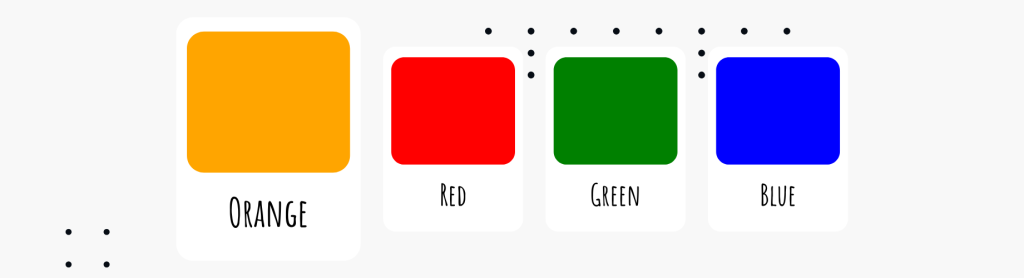

Each type of complementary colour can be used with orange in design to create different effects. Primary complementary colours create a strong contrast and can make a design visually striking. Secondary complementary colours create a more harmonious and balanced effect. Tertiary complementary colours create a more nuanced and sophisticated look.
Using Analogous Colours to Enhance Orange in Design
Analogous colours are groups of colours that are adjacent to each other on the colour wheel. They share similar undertones and create a harmonious and cohesive look when used together. When combined with orange, analogous colours can enhance the warmth and vibrancy of the design.
For example, yellow-orange and red-orange are analogous colours to orange. When used together, they create a visually pleasing composition that is both energetic and balanced. Analogous colours can be used to create a sense of unity and flow in a design.
Understanding the Role of Triadic Colours in Graphic Design
Triadic colours are sets of three colours that are evenly spaced around the colour wheel. When used together, triadic colours create a vibrant and dynamic contrast. When combined with orange, triadic colours can create a visually striking and balanced design.
For example, the triadic colours of orange are green and purple. When used together, they create a bold and energetic composition. Triadic colours can be used to create a sense of excitement and playfulness in a design.

Creating Contrast with Split Complementary Colours
Split complementary colours are pairs of colours that are adjacent to the complement of a given colour. When used together, split complementary colours create a strong contrast while still maintaining a sense of harmony. When combined with orange, split complementary colours can create a visually interesting and balanced design.
For example, the split complementary colours of orange are blue-green and blue-purple. When used together, they create a vibrant and dynamic composition. Split complementary colours can be used to create a sense of depth and complexity in a design.
Using Tetradic Colours to Create Harmonious Designs with Orange
Tetradic colours are sets of four colours that are evenly spaced around the colour wheel. When used together, tetradic colours create a visually balanced and harmonious composition. When combined with orange, tetradic colours can create a vibrant and cohesive design.
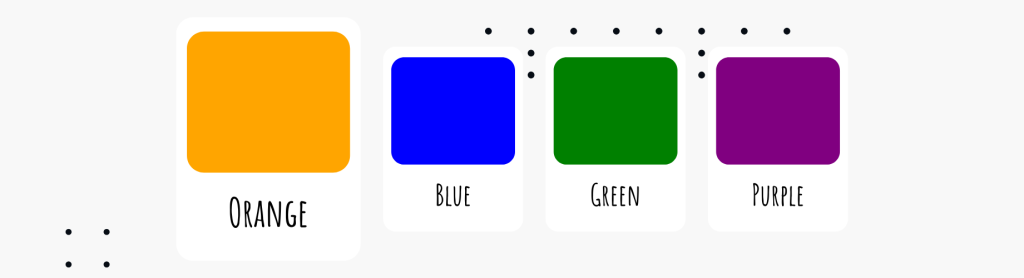
For example, the tetradic colours of orange are blue, green, and purple. When used together, they create a visually pleasing and balanced composition. Tetradic colours can be used to create a sense of harmony and unity in a design.
Tips for Choosing the Perfect Complement to Orange in Design
When choosing the perfect complement to orange in design, there are several factors to consider. First, consider the desired mood and message of the design. Different complements can evoke different emotions and create different effects.
Second, consider the overall colour scheme of the design. The complement should enhance the overall composition and create a sense of balance and harmony.
Third, consider the context in which the design will be used. Different industries and audiences may respond differently to certain colour combinations.
Finally, trust your instincts and experiment with different complements to see what works best for your design.
In conclusion, understanding complementary colours is crucial in design. By choosing the right complement for orange, designers can create visually striking and harmonious compositions that effectively communicate their intended message. Whether it’s using analogous colours to enhance the warmth of orange or using split complementary colours to create contrast, understanding how colours work together is essential in creating successful designs. So next time you’re working on a design project, don’t forget to consider the power of complementary colours.
If you’re wondering which colour goes best with orange in graphic design, you might find the article on the psychology of colours in web design helpful. Understanding the impact of different colours can greatly enhance your design choices and create a visually appealing and effective website. Check out this informative article on the psychology of colours in web design to gain insights into how to use orange and other colours effectively in your graphic design projects.


Author: Martin Sanders
I empower businesses to connect with their customers and boost sales. Ready to take your revenue to new heights? Get in touch with me today, and let’s make it happen!