

How to Ensure Your Website’s Brand Message is Clear and Consistent

Your website is often the first place potential customers encounter your brand, and first impressions are everything. If your brand message isn’t immediately clear, you risk losing their attention in seconds. A strong, consistent brand message ensures that users understand who you are, what you offer, and why they should choose you-all within moments of landing on your homepage.
In this post, we’ll explore how to clarify your brand’s message, offer tips for simplifying and aligning your messaging across your website, and provide steps for auditing and refining your brand message.
How to Clarify Your Brand’s Message on the Homepage
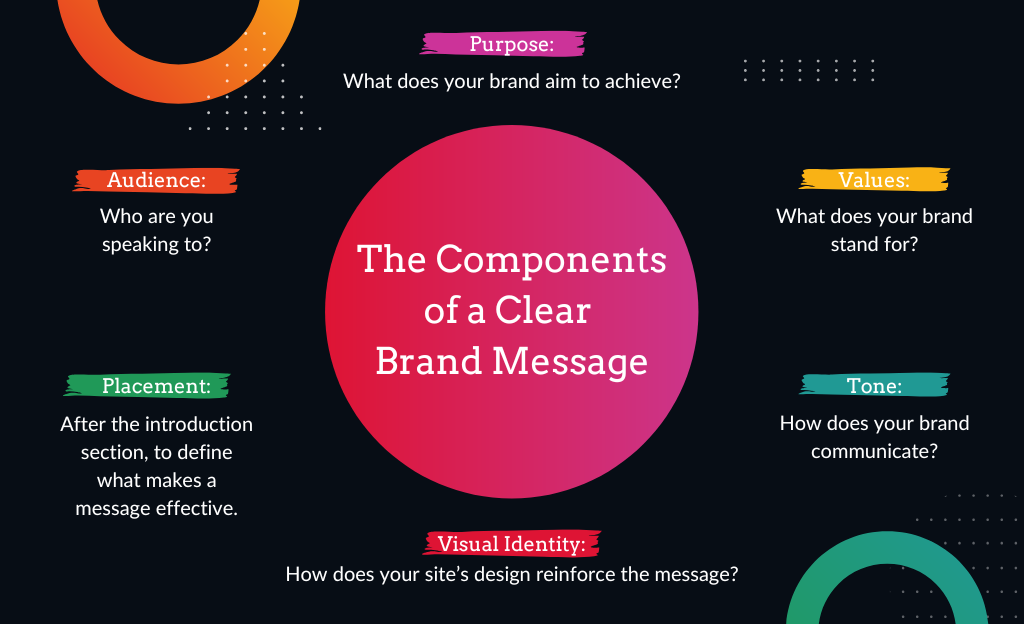
Your homepage is the heart of your website and serves as a key touchpoint for visitors. It needs to communicate your brand message clearly and quickly to ensure users stay engaged. Here are some strategies for making sure your brand message is crystal clear from the moment someone arrives on your homepage:
1. Define Your Unique Value Proposition (UVP)
Your unique value proposition is what sets you apart from competitors and answers the question: “Why should customers choose you?” This should be front and centre on your homepage, ideally in the hero section (the first thing users see). The UVP should clearly explain what you offer, who it’s for, and how it benefits your audience. Keep it short, impactful, and easy to understand.
2. Use Simple, Direct Language
Visitors should be able to understand what your brand stands for without having to decipher jargon or overly complex language. Aim for simplicity. Write your brand message in a way that even someone unfamiliar with your industry could understand it. Avoid buzzwords or vague phrases, and focus on clarity and relevance.
3. Incorporate Your Brand’s Tone and Personality
Your brand message should not only be clear but also reflect your brand’s tone and personality. Are you formal and professional, or casual and approachable? Make sure that the language you use on your homepage matches the personality of your brand, creating consistency across all touchpoints.
4. Highlight Key Benefits, Not Just Features
Rather than focusing solely on what you do, focus on how it benefits your audience. For example, instead of saying, “We offer premium graphic design services,” try, “We create designs that boost your brand’s visibility and drive engagement.” This shift puts the customer at the centre of your message, making it more relatable and impactful.
5. Use Visuals to Support Your Message
The images, colours, and design elements on your homepage should reinforce your brand message. If your brand is built around innovation, modern and sleek visuals can help communicate that. If you’re promoting a warm, community-focused business, choose images that reflect these values. Make sure your visuals are consistent with your messaging for a cohesive experience.
Tips for Simplifying and Aligning Messaging
Simplifying your messaging doesn’t mean dumbing it down. It means making it easy for visitors to grasp who you are and what you offer quickly. Here are some tips for simplifying and aligning your brand message across your website:
1. Focus on One Main Message
Avoid cluttering your homepage with too many competing messages. Stick to one clear message that captures the essence of your brand. Supporting details can be shared further down the page or in dedicated sections, but the main message should be immediately visible and easy to absorb.
2. Consistent Messaging Across Pages
Your brand message should remain consistent as users navigate from page to page. If your homepage emphasizes customer-centric solutions, that tone should carry through to your About page, product descriptions, and even your blog. Align your messaging so that it reflects your brand’s core values and tone, no matter where users land on your site.
3. Cut the Fluff
Eliminate unnecessary words, phrases, or explanations that don’t contribute to your main message. A clean, focused message is more effective than one weighed down with excess information. Ask yourself, “Does this sentence add value or clarity?” If not, cut it.
4. Break Up Text with Headlines and Subheadings
Users often skim through websites before diving into details. Make it easier for them to understand your message by using clear headlines and subheadings to guide them. Your headings should quickly summarize the most important aspects of your brand, making it easy for users to get the big picture at a glance.
5. Test for Readability
Your website copy should be easy to read, both in terms of comprehension and design. Use short paragraphs, bullet points, and white space to break up blocks of text. Test your site’s readability by reading your homepage out loud-if it feels too long-winded or complicated, it likely needs simplifying.
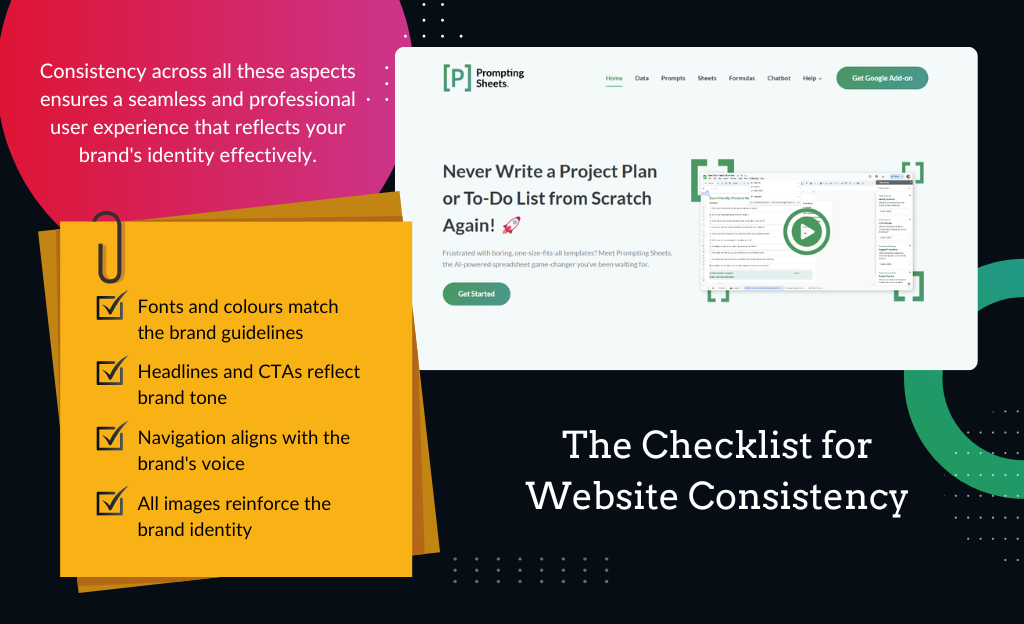
Conclusion: Steps to Audit and Refine Your Brand Message

A clear and consistent brand message is key to keeping visitors engaged and turning them into customers. To ensure your message is working effectively, it’s important to regularly audit and refine your website’s messaging. Here’s how:
1. Conduct a Message Audit
Go through your website page by page and ask yourself: Is the message clear? Does it align with my brand values? Does it reflect my tone of voice? If any parts of your site feel off or inconsistent, mark them for revision.
2. Gather Feedback
Ask colleagues, customers, or even friends to review your homepage and share their impressions. What do they think your brand is offering within the first few seconds of visiting your site? Are they getting the right message? Feedback from others can help you identify areas where your messaging may be unclear or misaligned.
3. Refine Your UVP
Revisit your unique value proposition to ensure it still accurately reflects your brand’s offerings and benefits. As your business grows and evolves, your UVP might need to be tweaked to stay relevant and impactful.
4. Test and Iterate
Make small changes to your homepage messaging and test how it impacts user engagement. Track metrics like bounce rates, session times, and conversion rates to see if your updates are making a difference. A/B testing different headlines or CTAs can also help you refine your message for maximum clarity and impact.
By following these steps, you can ensure that your website delivers a clear, consistent brand message that resonates with visitors and strengthens your brand identity.
Ready to refine your website’s brand message? Contact Sanders Design today for expert guidance on building a clear and consistent website that effectively communicates your brand’s unique value.


Author: Martin Sanders
I empower businesses to connect with their customers and boost sales. Ready to take your revenue to new heights? Get in touch with me today, and let’s make it happen!